Is Chronic Inflammation Sneaking Up on You? Find out in just 60 seconds with this simple test


Causes of Fatigue: 10 Common Reasons You May Be Feeling Tired
Why Am I Always Tired?
Author: Prem Nand, NZRD (Clinical Dietitian - Nutritionist) Published Aug 2026 Copyright: Maximised Nutrition Ltd
Quick Answer
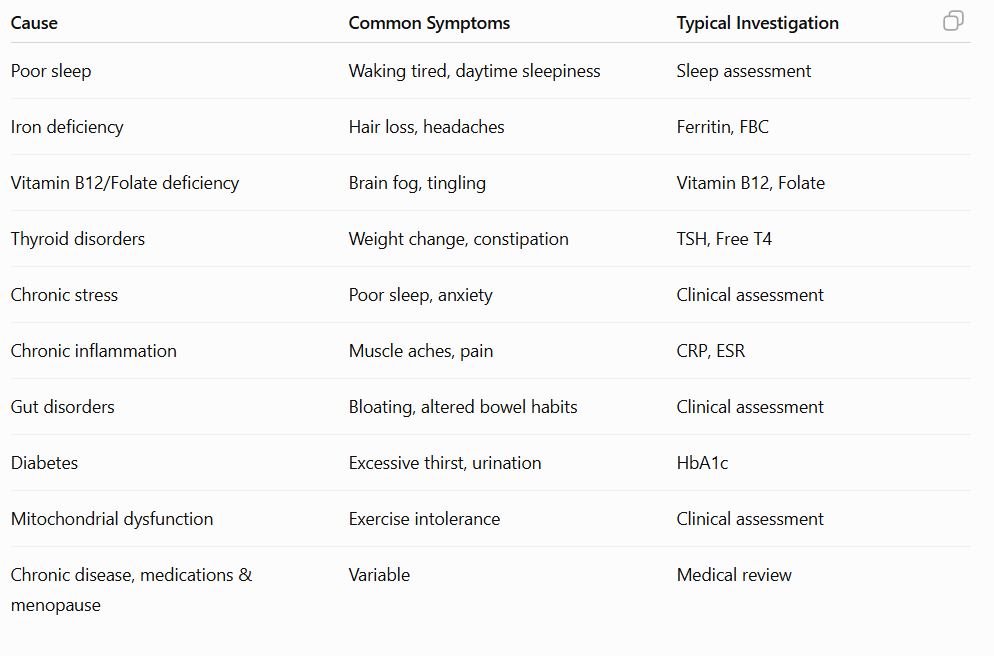
If you're asking, "Why am I always tired?", you're not alone. Fatigue is one of the most common reasons people seek medical advice. While poor sleep is a frequent cause, causes of fatigue can include iron deficiency, vitamin B12 deficiency, thyroid disorders, chronic stress, gastrointestinal conditions, diabetes or other medical problems. Because fatigue is a symptom rather than a diagnosis, identifying the underlying cause is essential for effective treatment (National Institute for Health and Care Excellence [NICE], 2021).
Key Takeaways
• Fatigue is a symptom with many possible causes.
• More than one factor commonly contributes to persistent fatigue.
• Poor sleep, iron deficiency and thyroid disorders are among the leading causes.
• Gut disorders may contribute through inflammation and nutrient malabsorption.
• Persistent fatigue deserves medical assessment rather than simply being accepted as part of a busy lifestyle.
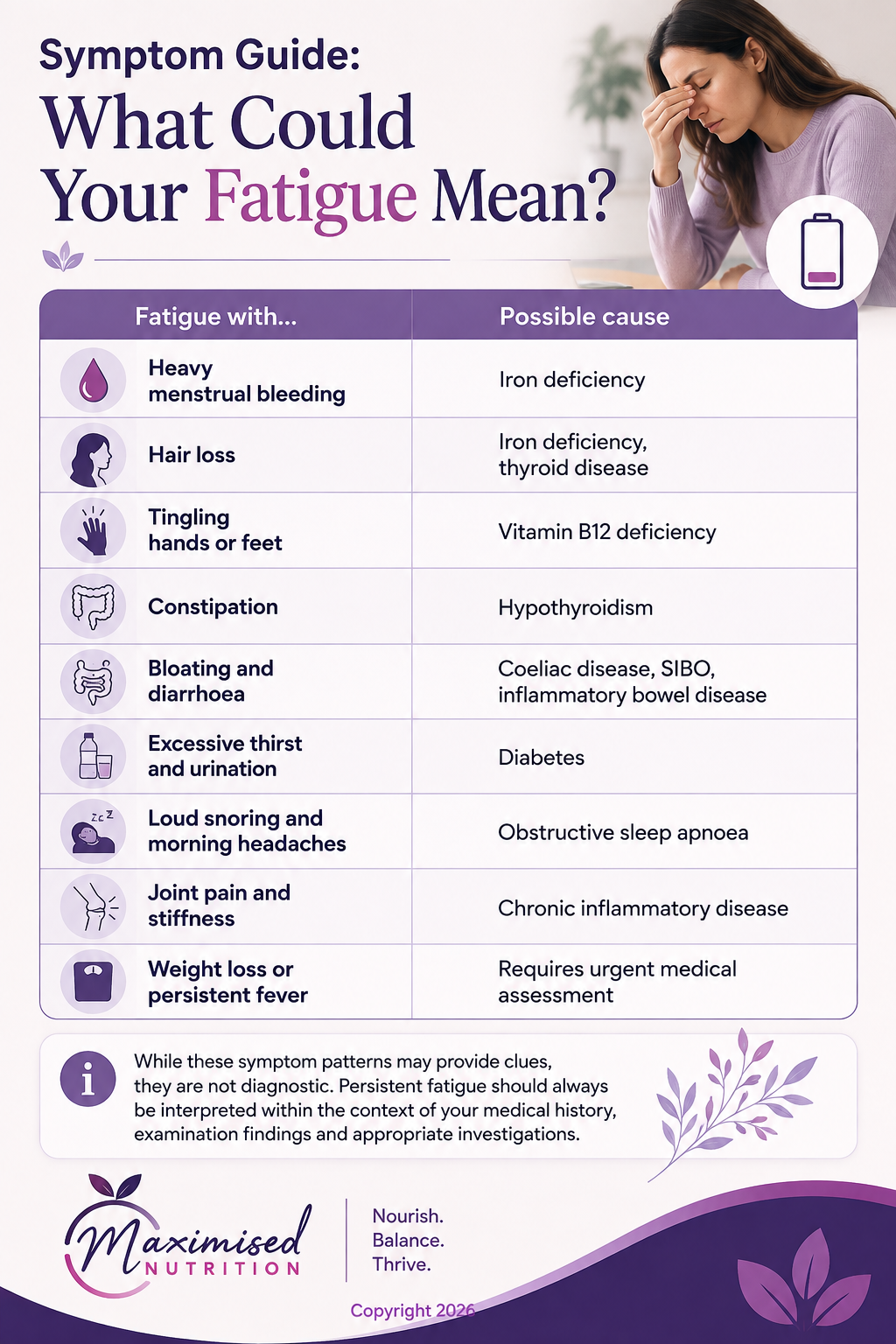
Causes of Fatigue at a Glance
Why Am I Always Tired?
Feeling tired after a busy week or a poor night's sleep is normal. However, fatigue that persists for weeks or months is different.
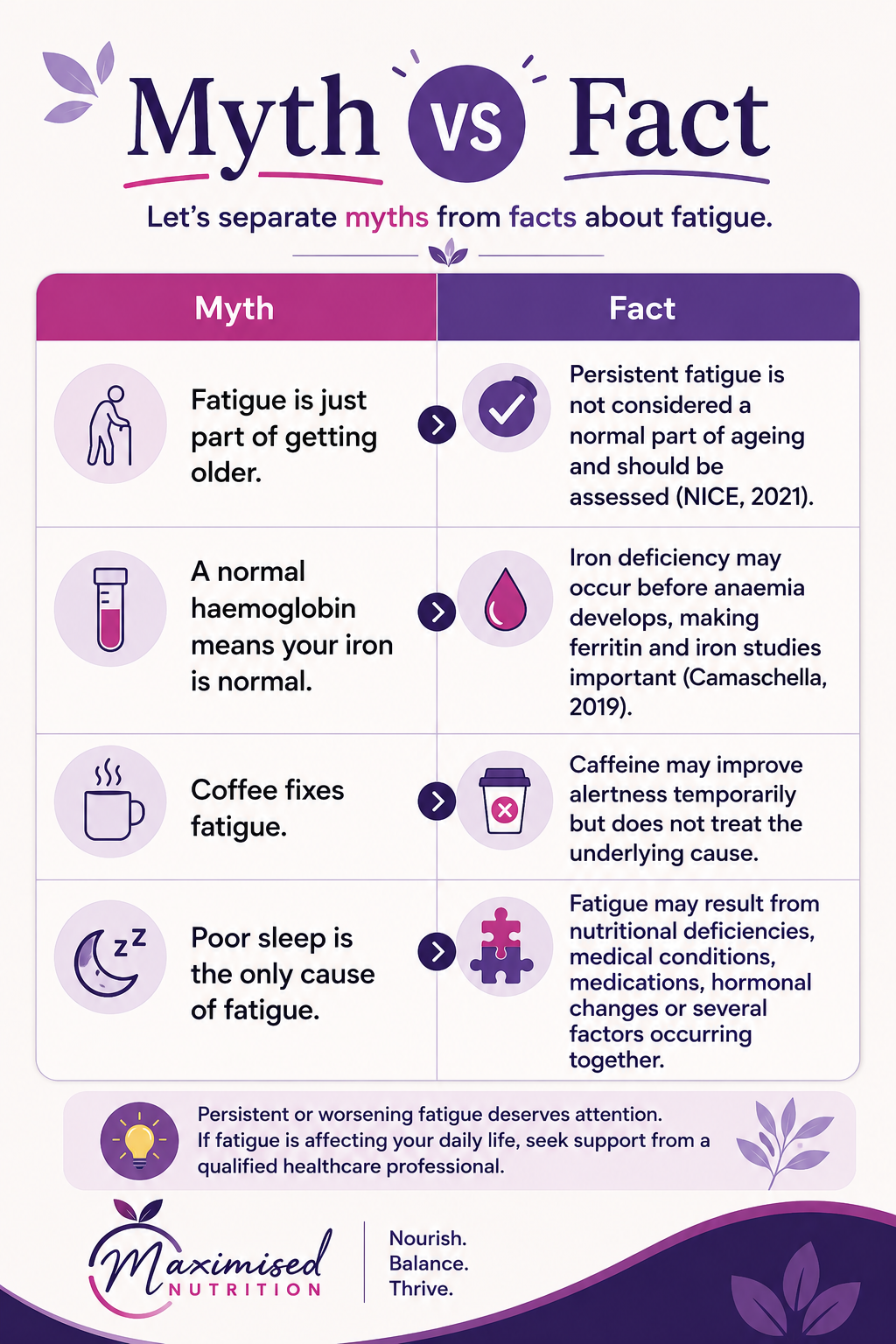
Persistent fatigue can interfere with work, relationships, exercise and everyday activities, and should not simply be dismissed as a consequence of ageing or a hectic lifestyle (NICE, 2021).
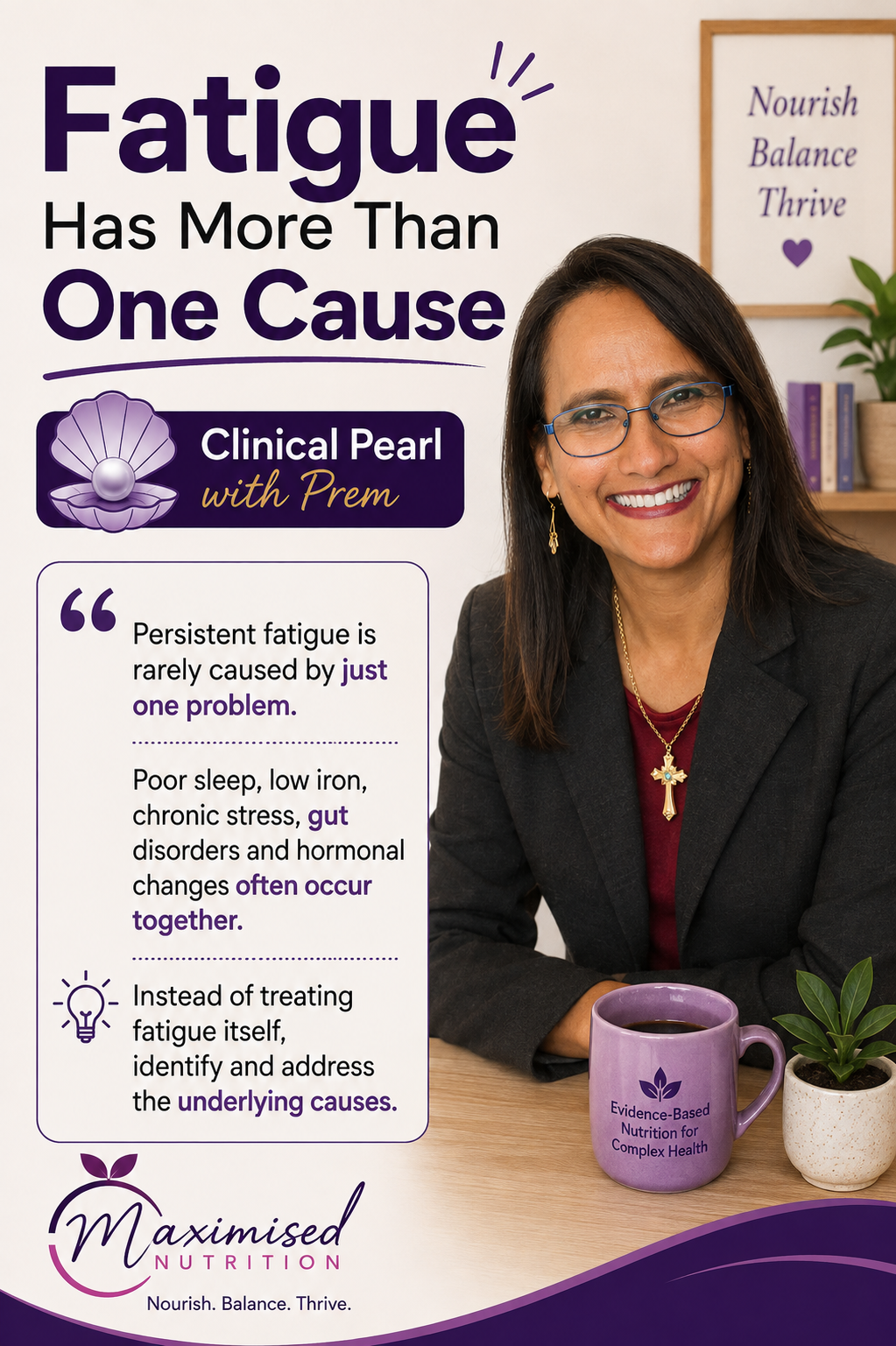
One of the biggest misconceptions is that fatigue always has a single cause. In reality, it is often multifactorial. For example, someone may have poor sleep due to stress, low iron stores because of heavy menstrual bleeding and gastrointestinal symptoms affecting nutrient absorption. Addressing only one factor may provide limited improvement, whereas identifying all contributing causes often leads to better long-term outcomes.
As an Integrative Clinical Dietitian–Nutritionist, I commonly assess people experiencing persistent fatigue. While nutrition is an important part of recovery, it is only one piece of the puzzle. A thorough clinical assessment may also identify hormonal disorders, chronic inflammation, gastrointestinal disease, medication side effects or other medical conditions contributing to low energy.
What Is Fatigue?
Fatigue is a persistent feeling of physical, mental or emotional exhaustion that is disproportionate to activity and not completely relieved by rest (NICE, 2021).
People describe fatigue in many different ways, including:
• Waking unrefreshed despite sleeping.
• Feeling physically drained throughout the day.
• Struggling to concentrate ("brain fog").
• Reduced motivation.
• Poor exercise tolerance.
• Needing frequent rest periods.
Because fatigue is a symptom rather than a diagnosis, understanding why it has developed is the key to appropriate management..
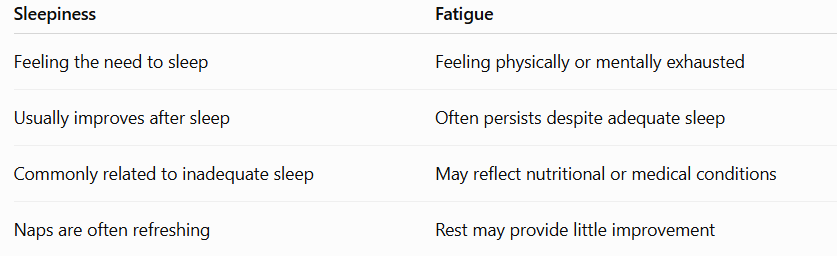
Fatigue vs Sleepiness
Although often used interchangeably, fatigue and sleepiness are different.
Cause 1. Poor Sleep Quality
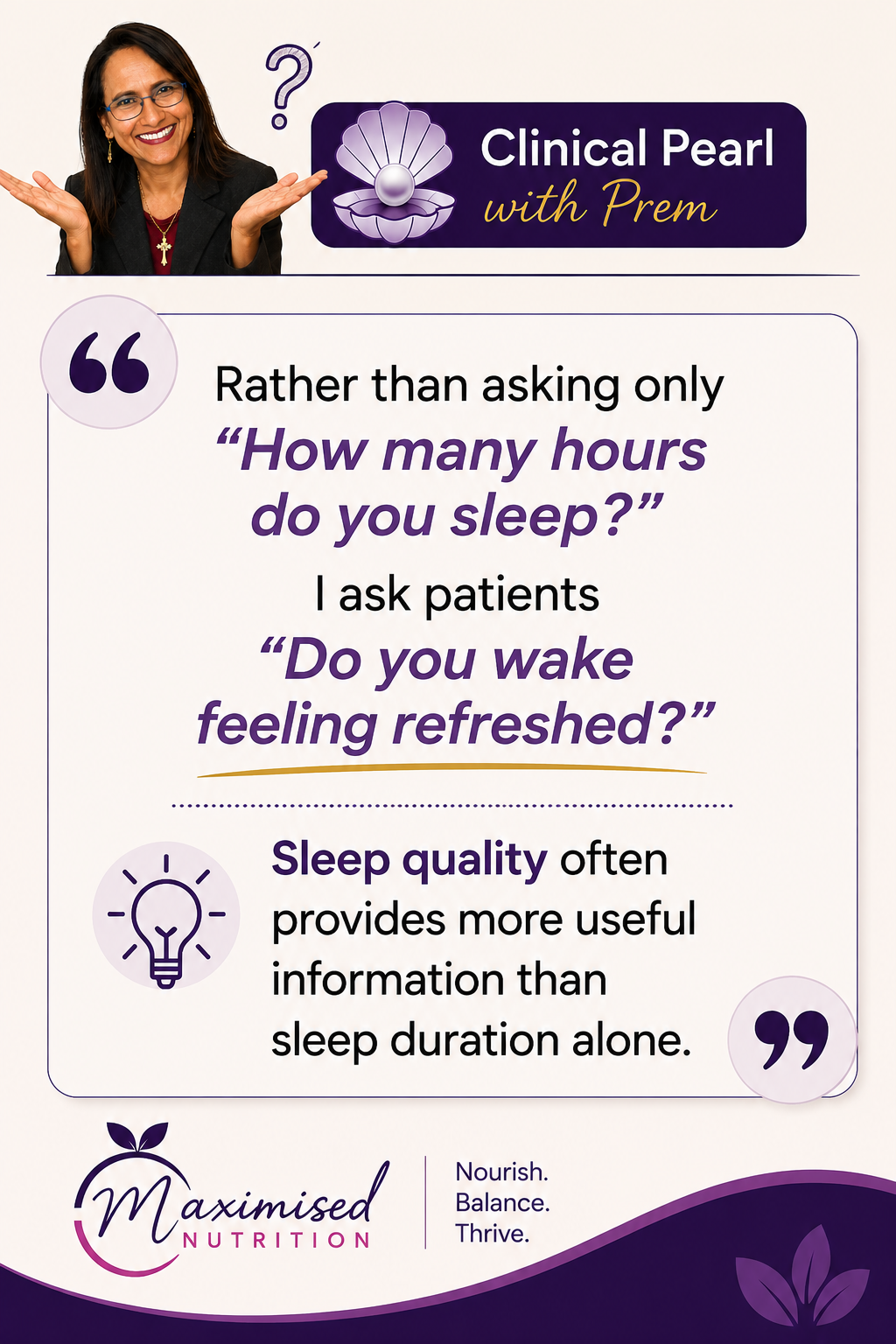
Poor sleep quality is one of the most common causes of fatigue. Even when people spend seven to nine hours in bed, interrupted or non-restorative sleep may prevent the brain and body from recovering effectively (Watson et al., 2015).
Contributors include:
• Obstructive sleep apnoea
• Shift work
• Anxiety
• Chronic pain
• Menopause
• Excessive evening screen use
People often report waking tired, difficulty concentrating, headaches and relying on caffeine to get through the day.
Improving sleep hygiene, maintaining a consistent sleep routine and identifying underlying sleep disorders can significantly improve daytime energy.
Cause 2. Iron Deficiency
Iron deficiency is one of the leading nutritional causes of fatigue. Iron is essential for hemoglobin production, allowing red blood cells to transport oxygen to tissues. When iron stores decline, energy production becomes less efficient and fatigue may develop (Camaschella, 2019).
Importantly, iron deficiency can occur before anemia develops, meaning a normal hemoglobin does not necessarily exclude low iron stores. Ferritin and iron studies are often needed to assess body iron levels appropriately.
People at increased risk include women with heavy menstrual bleeding, pregnant women, vegetarians, frequent blood donors and individuals with gastrointestinal disorders that impair iron absorption.
Common symptoms include fatigue, headaches, hair loss, reduced exercise tolerance and shortness of breath on exertion.
Cause 3. Vitamin B12 and Folate Deficiency
Vitamin B12 and folate are essential for red blood cell production, nerve function and DNA synthesis. Deficiency of either nutrient can reduce oxygen delivery and impair neurological function, contributing to fatigue, poor concentration and reduced physical performance (O'Leary & Samman, 2010).
Unlike iron deficiency, vitamin B12 deficiency commonly affects both the blood and nervous system. Some people develop neurological symptoms before anemia becomes apparent.
People at increased risk include:
• Older adults
• Strict vegans
• People taking long-term metformin
• Individuals taking proton pump inhibitors (PPIs)
• People with coeliac disease, Crohn's disease or previous gastrointestinal surgery
Common symptoms include fatigue, brain fog, poor memory, numbness or tingling in the hands and feet, muscle weakness and poor balance.
Assessment may include vitamin B12, folate and a Full Blood Count, with additional investigations where clinically indicated. Early recognition is important because prolonged vitamin B12 deficiency may lead to irreversible neurological damage (O'Leary & Samman, 2010).
Cause 4. Thyroid Disorders
The thyroid gland regulates metabolism throughout the body. When thyroid hormone production slows (hypothyroidism), many body systems become less efficient, resulting in fatigue, reduced energy production and slower physical and mental function (National Institute for Health and Care Excellence [NICE], 2023).
Fatigue caused by hypothyroidism often develops gradually and may be accompanied by:
• Weight gain
• Cold intolerance
• Constipation
• Dry skin
• Hair thinning
• Heavy menstrual periods
• Low mood
• Slowed thinking
Conversely, an overactive thyroid (hyperthyroidism) may also cause fatigue because the body remains in a prolonged state of increased metabolic demand.
Thyroid disorders are commonly investigated using Thyroid Stimulating Hormone (TSH) and Free T4 and Free T3.
Nutritional support can complement medical treatment by addressing dietary quality and coexisting nutrient deficiencies, but it should not replace evidence-based medical management (NICE, 2023).
Cause 5. Chronic Stress
Stress affects far more than mental wellbeing. Chronic activation of the body's stress response influences sleep, immune function, hormone regulation and energy metabolism, all of which may contribute to persistent fatigue (McEwen & Akil, 2020).
Common symptoms include:
• Feeling overwhelmed
• Poor concentration
• Difficulty sleeping
• Anxiety
• Irritability
• Reduced motivation
• Physical exhaustion despite adequate rest
Stress-related fatigue rarely occurs in isolation. Poor sleep, unhealthy eating patterns, reduced physical activity and gastrointestinal symptoms frequently coexist, making fatigue more difficult to overcome.
Management should address both physical and psychological health through appropriate medical care, stress management strategies, regular movement, adequate sleep and a balanced diet.
Cause 6. Chronic Inflammation
Inflammation is a normal response to infection and injury, but when it becomes persistent it can significantly affect energy levels. Inflammatory chemicals called cytokines influence the brain and muscles, producing symptoms such as fatigue, reduced motivation and poor concentration (Furman et al., 2019).
Chronic inflammation may be associated with:
• Autoimmune diseases
• Inflammatory bowel disease
• Rheumatoid arthritis
• Obesity
• Chronic infections
• Some cancers
People often experience muscle aches, joint pain, poor recovery after activity and a general feeling of exhaustion.
Depending on your symptoms, your healthcare provider may request inflammatory markers such as C-reactive protein (CRP) or erythrocyte sedimentation rate (ESR).
Nutrition can support overall health by encouraging dietary patterns rich in vegetables, fruit, wholegrains, legumes and healthy fats, while treatment should primarily focus on managing the underlying inflammatory condition (Furman et al., 2019).
Cause 7. Gastrointestinal Disorders and Gut Health
Digestive health plays an important role in energy production. The gastrointestinal tract is responsible for digesting food, absorbing nutrients and supporting immune function. When gut function is impaired, fatigue may develop through nutrient deficiencies, inflammation, reduced food intake or altered gut-brain signaling.
Conditions that may contribute include:
• Coeliac disease
• Inflammatory bowel disease
• Irritable bowel syndrome (IBS)
• Small intestinal bacterial overgrowth (SIBO)
• Intestinal methanogen overgrowth (IMO)
• Exocrine pancreatic insufficiency
Common symptoms include:
• Bloating
• Abdominal pain
• Excessive gas
• Diarrhea or constipation
• Food intolerances
• Unintentional weight loss in some conditions
Conditions affecting the small intestine may reduce absorption of iron, vitamin B12 and other nutrients, further contributing to fatigue. Importantly, symptoms commonly attributed to IBS may occasionally reflect another underlying gastrointestinal disorder, highlighting the importance of appropriate clinical assessment (Pimentel et al., 2020).
From a nutrition perspective, treatment should focus on identifying the underlying cause rather than simply eliminating foods. A personalized nutrition plan can help improve nutritional status while supporting long-term gastrointestinal health.
Cause 8. Mitochondrial Dysfunction
Mitochondria are often described as the body's "energy factories" because they produce adenosine triphosphate (ATP), the energy required for normal cellular function. When mitochondrial function becomes impaired, energy production becomes less efficient and fatigue may result (Picard et al., 2018).
People with impaired energy production may report:
• Poor exercise tolerance
• Needing longer to recover after physical activity
• Muscle weakness
• Persistent brain fog
• Feeling exhausted after relatively minor tasks
Mitochondrial dysfunction is increasingly recognised in chronic diseases such as obesity, type 2 diabetes and cardiovascular disease, although routine testing is not usually performed in primary care (Picard et al., 2018).
Supporting mitochondrial health includes optimising sleep, physical activity within individual tolerance, adequate nutrition and management of underlying medical conditions.
Cause 9. Diabetes and Blood Glucose Disorders
Both high and low blood glucose levels can contribute to fatigue. In type 2 diabetes, glucose is less effectively used by the body's cells, reducing energy availability and often resulting in persistent tiredness (American Diabetes Association [ADA], 2025).
Common symptoms include:
• Excessive thirst
• Frequent urination
• Blurred vision
• Slow wound healing
• Recurrent infections
• Unexplained fatigue
Episodes of low blood glucose (hypoglycaemia) may also cause sudden fatigue, shakiness, sweating and poor concentration.
If diabetes is suspected, your GP may recommend:
• HbA1c
• Fasting blood glucose
• Oral glucose tolerance test (when indicated)
Good nutrition, regular physical activity and appropriate medical treatment can improve blood glucose control and often lead to significant improvements in energy levels.
Cause 10. Chronic Disease, Medications and Menopause
Fatigue is a common symptom of many chronic medical conditions and may also occur as a side effect of medication.
Medical conditions associated with fatigue include:
• Heart disease
• Chronic kidney disease
• Chronic liver disease
• Chronic obstructive pulmonary disease (COPD)
• Cancer
• Autoimmune diseases
Several commonly prescribed medications may also contribute, including some antihistamines, antidepressants, opioid pain medications, beta-blockers and muscle relaxants.
For women, perimenopause and menopause frequently affect energy levels. Hormonal fluctuations can disrupt sleep, contribute to hot flushes, affect mood and reduce overall wellbeing, all of which may increase fatigue (National Institute on Aging, 2023).
If fatigue develops after starting a new medication or changes significantly, discuss this with your GP before making any changes to your treatment.
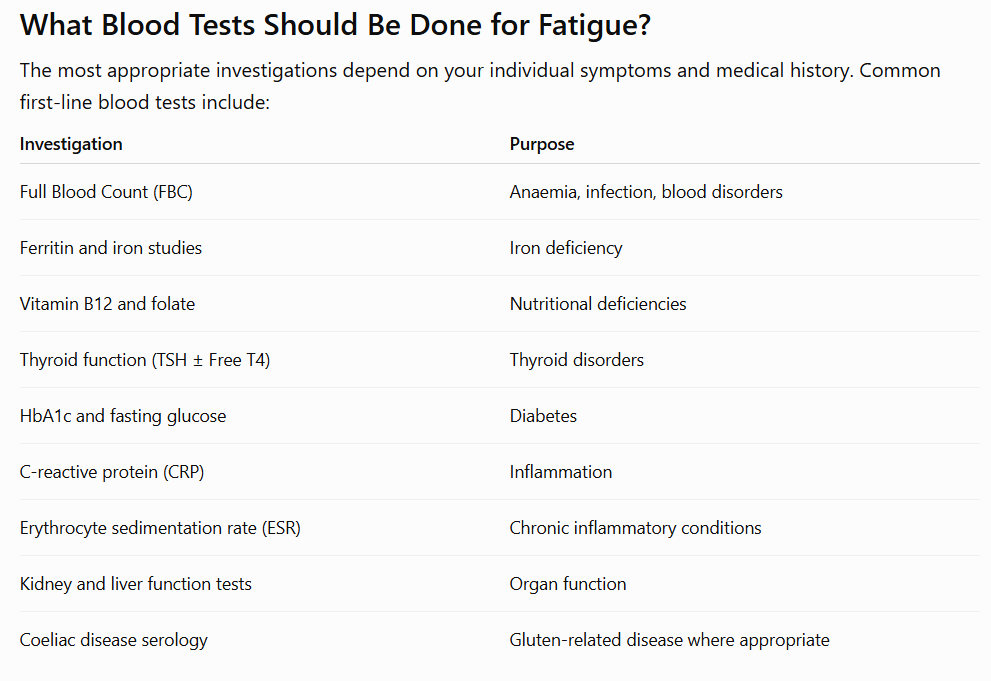
What Blood Tests Should Be Done for Fatigue?
The list below is not comprehensive. Additional investigations may be recommended depending on your symptoms, age, medical history and examination findings.
When Should You Seek Medical Advice?
Occasional tiredness is common, but persistent fatigue should not be ignored.
Arrange a medical assessment if you experience:
• Fatigue lasting longer than several weeks.
• Fatigue affecting work, study or daily activities.
• Fatigue despite adequate sleep.
• Progressive worsening of symptoms.
• Unexplained weight loss.
• Persistent fever or night sweats.
• Blood in the stool or black stools.
• Chest pain or shortness of breath.
• New neurological symptoms such as weakness or numbness.
Early assessment increases the likelihood of identifying a treatable underlying cause.
Myth vs Fact
Frequently Asked Questions
Why am I tired all the time even after sleeping?
Feeling tired despite adequate sleep may indicate poor sleep quality, iron deficiency, thyroid disease, chronic stress, diabetes or another underlying medical condition. If symptoms persist, discuss them with your healthcare provider.
Can low iron cause fatigue without anemia?
Yes. Fatigue may occur before hemoglobin becomes abnormal because iron stores can become depleted first. Ferritin and iron studies are often useful when iron deficiency is suspected (Camaschella, 2019).
Can gut health cause fatigue?
Yes. Gastrointestinal disorders such as coeliac disease, inflammatory bowel disease and small intestinal bacterial overgrowth (SIBO) may contribute through inflammation, nutrient malabsorption and reduced dietary intake (Pimentel et al., 2020).
What are the most common causes of fatigue?
Common causes include poor sleep, iron deficiency, vitamin B12 deficiency, thyroid disorders, chronic stress, diabetes, chronic inflammation, gastrointestinal disorders and chronic medical conditions.
What blood tests should I ask my doctor about for fatigue?
Depending on your symptoms, your GP may recommend a Full Blood Count, ferritin, iron studies, vitamin B12, folate, thyroid function tests, HbA1c, inflammatory markers and other investigations tailored to your clinical history.
Conclusion
If you've been asking yourself, "Why am I always tired?", remember that fatigue is a symptom rather than a diagnosis. While poor sleep is a common contributor, persistent fatigue may also reflect nutritional deficiencies, thyroid disorders, diabetes, gastrointestinal conditions, chronic inflammation, medication side effects or other medical problems.
The encouraging news is that many causes of fatigue are treatable once they are accurately identified. A comprehensive assessment—including your medical history, symptoms, physical examination and appropriate investigations—can help determine the underlying contributors and guide personalised management.
Rather than simply masking fatigue with caffeine or supplements, addressing the root cause provides the best opportunity to restore energy, improve quality of life and support long-term health.
References
American Academy of Sleep Medicine. (2023). International classification of sleep disorders (3rd ed., text rev.). American Academy of Sleep Medicine.
Camaschella, C. (2019). Iron deficiency. Blood, 133(1), 30–39. https://doi.org/10.1182/blood-2018-05-815944
Furman, D., Campisi, J., Verdin, E., Carrera-Bastos, P., Targ, S., Franceschi, C., Ferrucci, L., Gilroy, D. W., Fasano, A., Miller, G. W., Miller, A. H., Mantovani, A., Weyand, C. M., Barzilai, N., Goronzy, J. J., Rando, T. A., Effros, R. B., Lucia, A., Kleinstreuer, N., & Slavich, G. M. (2019). Chronic inflammation in the etiology of disease across the life span. Nature Medicine, 25(12), 1822–1832. https://doi.org/10.1038/s41591-019-0675-0
McEwen, B. S., & Akil, H. (2020). Revisiting the stress concept: Implications for affective disorders. Journal of Neuroscience, 40(1), 12–21. https://doi.org/10.1523/JNEUROSCI.0733-19.2019
Murray, R. K., Bender, D. A., Botham, K. M., Kennelly, P. J., Rodwell, V. W., & Weil, P. A. (2023). Harper's illustrated biochemistry (32nd ed.). McGraw Hill.
National Institute for Health and Care Excellence. (2023). Thyroid disease: Assessment and management (NG145). https://www.nice.org.uk/guidance/ng145
National Institute for Health and Care Excellence. (2024). Vitamin B12 deficiency in over 16s: Diagnosis and management (NG239). https://www.nice.org.uk/guidance/ng239
O'Leary, F., & Samman, S. (2010). Vitamin B12 in health and disease. Nutrients, 2(3), 299–316. https://doi.org/10.3390/nu2030299
Pimentel, M., Rao, S. S. C., Park, S., et al. (2020). American College of Gastroenterology clinical guideline: Small intestinal bacterial overgrowth. American Journal of Gastroenterology, 115(2), 165–178. https://doi.org/10.14309/ajg.0000000000000501
World Health Organization. (2024). Anaemia. https://www.who.int/news-room/fact-sheets/detail/anaemia

About the Author
Prem Nand, NZRD, is an Integrative Clinical Dietitian–Nutritionist and founder of Maximised Nutrition
in New Zealand. She uses a whole-body, systems-based nutrition approach to support people with complex and medically layered health conditions, considering the interconnected role of the gut, brain, nervous system, hormones, metabolism, inflammation, and lifestyle factors in human health.
Aenean hac eros phasellus curae accumsan, vel et, egestas fringilla! Donec urna hendrerit sodales diam! Habitasse vestibulum mattis blandit maecenas, feugiat etiam ad nam semper amet! Justo blandit praesent, aliquam.

Holistic Nutrition For A Happy, Healthy, Confident You!
INFORMATION ON THIS WEBSITE IS FOR INFORMATIONAL PURPOSES ONLY.
PLEASE ALWAYS CONSULT A QUALIFIED HEALTH PRACTITIONER FOR A PERSONALISED ADVICE FOR YOUR HEALTH CONDITION
© 2025 MAXIMISED NUTRITION LTD. All Rights Reserved.